
Wildlife Conservation: Protecting Endangered Species
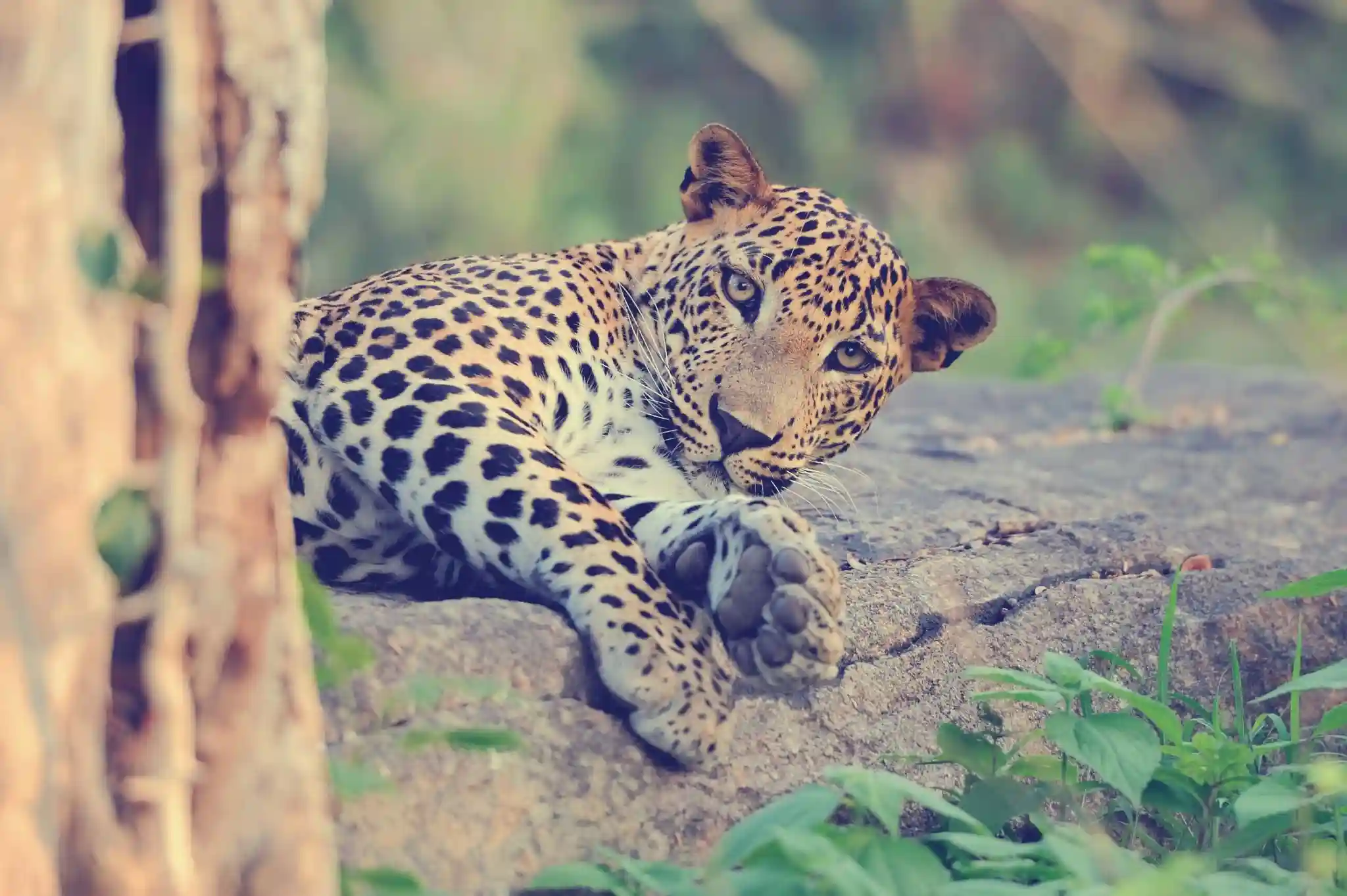
Wildlife Conservation: Protecting Endangered Species
Wildlife conservation is a crucial endeavor that not only seeks to protect endangered species but also aims to maintain the delicate balance of our ecosystems. Many species today are facing extinction due to habitat loss, climate change, and poaching. Understanding the significance of wildlife conservation is vital for preserving biodiversity and ensuring a sustainable future for both wildlife and humanity. This blog will explore the importance of wildlife conservation, the challenges faced, successful initiatives, and how we can all contribute to protecting endangered species.
Understanding Wildlife Conservation
Wildlife conservation refers to the efforts made to protect animal species and their habitats to ensure their survival. This encompasses a wide range of activities, from establishing protected areas to implementing laws that safeguard species at risk. The ultimate goal is to maintain biodiversity, which is essential for ecological health.
The Importance of Biodiversity
Biodiversity refers to the variety of life on Earth, including different species of plants, animals, and microorganisms. Each species plays a unique role in its ecosystem. For instance, bees are crucial for pollination, directly impacting food production. The loss of just one species can lead to cascading effects throughout the ecosystem, affecting other species and even human livelihoods.
Threats to Wildlife
The threats to wildlife are numerous and complex. Habitat loss due to urban expansion, agriculture, and deforestation is one of the most significant challenges. As humans encroach on natural habitats, many species find themselves without homes. Climate change further exacerbates these threats, altering ecosystems and making it difficult for some species to adapt.
Poaching and illegal wildlife trade are additional severe threats. High-value species such as elephants, rhinos, and tigers are hunted for their tusks, horns, and skins. According to the World Wildlife Fund (WWF), wildlife populations have declined by an average of 68% since 1970, highlighting the urgent need for effective conservation strategies.
Real-Life Examples of Wildlife Conservation
The Recovery of the American Bald Eagle
One of the most inspiring success stories in wildlife conservation is the recovery of the American bald eagle. Once endangered due to habitat destruction and pesticide use, the bald eagle has made a remarkable comeback. Conservation efforts, including the banning of DDT (a harmful pesticide) and the establishment of protected nesting areas, have allowed the population to grow significantly. Today, the bald eagle is no longer on the endangered species list, serving as a symbol of successful conservation.
The California Condor Recovery Program
The California condor is another remarkable example of successful conservation efforts. By the 1980s, this species was down to just 27 individuals due to lead poisoning, habitat loss, and microtrash ingestion. Conservationists intervened, capturing the remaining condors and breeding them in captivity. Through dedicated efforts, including habitat restoration and public education, the population has increased to over 500 individuals, with many now living in the wild.
The Role of Community Involvement
Community involvement is crucial in wildlife conservation. The Maasai people in Kenya have become key players in the conservation of lions. Through programs that incentivize the protection of wildlife rather than hunting, local communities have helped stabilize lion populations. By recognizing the value of wildlife for tourism and cultural heritage, these communities have taken charge of their conservation efforts.
Strategies for Effective Wildlife Conservation
Establishing Protected Areas
One of the most effective strategies for wildlife conservation is the establishment of protected areas, such as national parks and wildlife reserves. These areas provide safe havens for endangered species, allowing them to thrive without the pressures of human encroachment. For example, Yellowstone National Park in the United States serves as a sanctuary for diverse wildlife, including grizzly bears, wolves, and bison.
Legal Protections and Policies
Strong legal protections are essential for safeguarding endangered species. Laws such as the Endangered Species Act (ESA) in the United States have been instrumental in providing a framework for conservation. The ESA allows for the protection of species and their habitats, promoting recovery efforts and ensuring that endangered species are not driven to extinction.
Community Engagement and Education
Education and community engagement are vital components of effective wildlife conservation. Raising awareness about the importance of biodiversity and the threats facing wildlife can inspire individuals to take action. Community-based conservation programs empower local populations to protect their natural resources, fostering a sense of stewardship and responsibility.
Technology and Innovation
Advancements in technology are revolutionizing wildlife conservation efforts. Drones, for instance, are now being used to monitor wildlife populations and detect poaching activities in real-time. Additionally, camera traps help researchers study animal behavior and population dynamics without disturbing their natural habitats. These innovative tools enhance our ability to protect endangered species effectively.
The Role of Organizations in Wildlife Conservation
Non-Governmental Organizations (NGOs)
Numerous non-governmental organizations play a crucial role in wildlife conservation. Organizations like WWF, the Nature Conservancy, and Conservation International work tirelessly to protect endangered species and their habitats. They conduct research, advocate for policy changes, and implement on-the-ground conservation projects.
Government Initiatives
Governments also play a pivotal role in wildlife conservation. National and international policies aimed at protecting endangered species are essential for creating a sustainable future. Agreements like the Convention on International Trade in Endangered Species of Wild Fauna and Flora (CITES) help regulate the trade of endangered species and ensure their protection.
Conclusion
Wildlife conservation is a critical endeavor that affects all of us. By understanding the importance of protecting endangered species and the strategies available, we can contribute to a sustainable future. Whether through community involvement, supporting conservation organizations, or advocating for strong policies, each of us has a role to play.
As we celebrate the successes of conservation efforts, such as the recovery of the bald eagle and California condor, we must remain vigilant in our efforts to protect the planet’s biodiversity. Together, we can ensure that future generations inherit a world rich in wildlife and natural beauty.
FAQs
1. Why is wildlife conservation important?
Wildlife conservation is essential for maintaining biodiversity, which supports ecosystem health. Protecting endangered species helps preserve ecological balance and ensures the survival of various plant and animal life, which is crucial for food security and human well-being.
2. What are some common threats to wildlife?
Common threats to wildlife include habitat loss due to urbanization and agriculture, climate change, poaching, and illegal wildlife trade. These factors contribute to declining populations and increased risk of extinction for many species.
3. How can individuals contribute to wildlife conservation?
Individuals can contribute to wildlife conservation by supporting reputable organizations, participating in local conservation initiatives, spreading awareness about the importance of biodiversity, and advocating for strong environmental policies. Every action counts in the fight to protect endangered species.

All Categories
Recent Posts

Essential Tips to Enjoy Your Trip and Create Lasting Memories