
The Primary Goals of Modern Wildlife Conservation
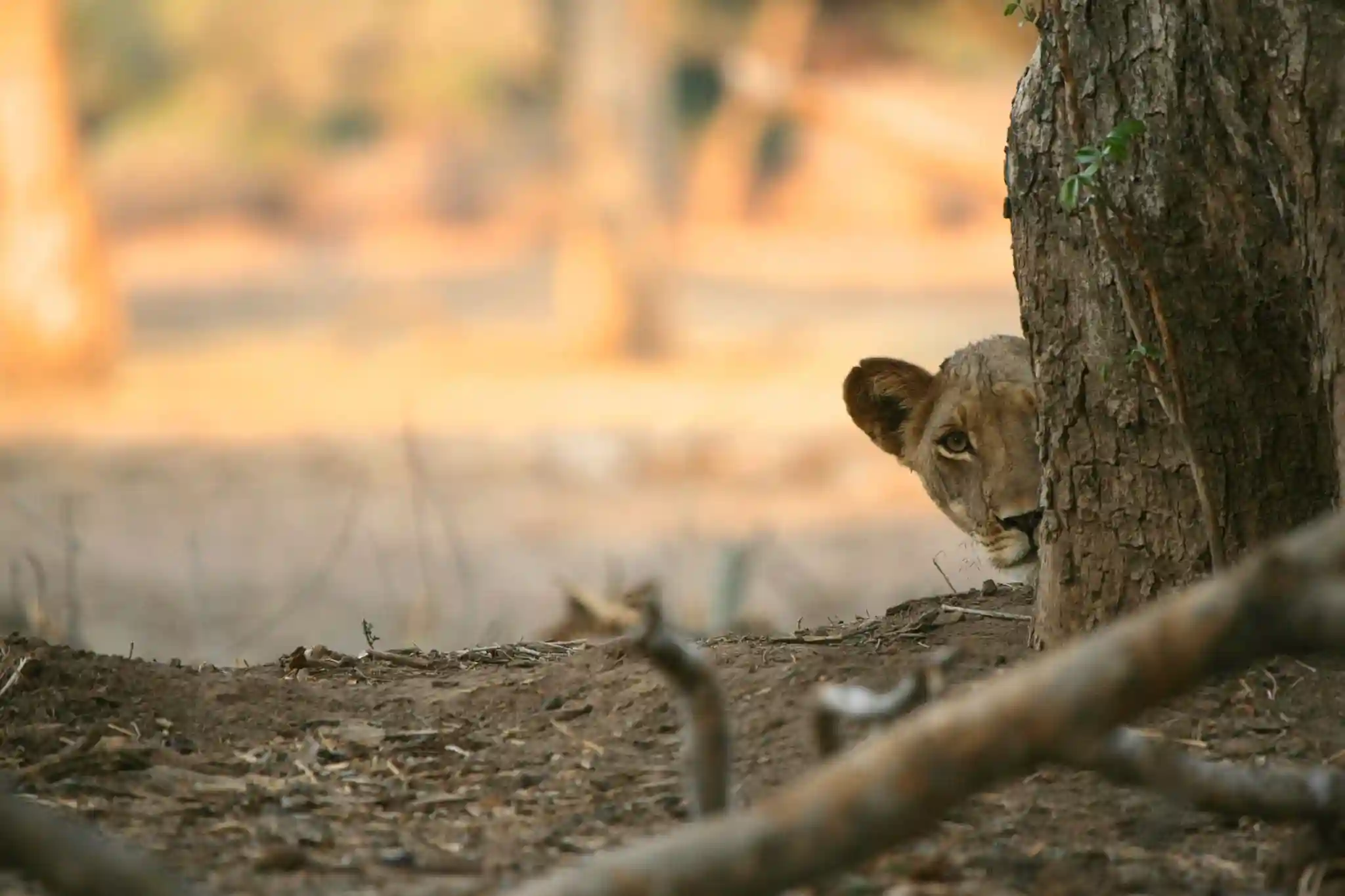
The Primary Goals of Modern Wildlife Conservation
Wildlife conservation is a crucial endeavor aimed at protecting the myriad species that share our planet. As human activities increasingly threaten natural habitats, the importance of these conservation efforts cannot be overstated. Wildlife conservation encompasses a range of practices designed to preserve animal species and their environments. The ultimate goal is not only to maintain biodiversity but also to ensure the health of ecosystems that support all life forms, including humans.
The Importance of Biodiversity
Biodiversity is fundamental to the stability of our ecosystems. Every species plays a role, whether large or small, in maintaining the intricate balance of life. When we lose a species, we disrupt this balance, which can lead to a cascade of negative effects. For instance, a decline in pollinators can impact food production, while the extinction of a predator can lead to overpopulation of prey species. Therefore, wildlife conservation is essential, not just for the animals themselves, but for the overall health of our planet.
Ecosystem Services Provided by Wildlife
Ecosystems provide invaluable services, including clean air, water purification, and soil fertility. These services are vital for human survival and well-being. Understanding the interconnectedness of all living things is key to appreciating why wildlife conservation matters. It reminds us that our fate is intertwined with that of the natural world, and safeguarding wildlife is fundamental to our own future.
Key Goals of Modern Wildlife Conservation
Modern wildlife conservation focuses on several key goals that are vital for creating a sustainable future. One of the primary objectives is to preserve habitats. As cities expand and industries grow, natural habitats are often destroyed or degraded. This leads to a significant loss of wildlife populations and a decrease in biodiversity. To combat this, conservationists work tirelessly to establish protected areas, such as national parks and wildlife reserves, where animals can thrive without the threat of human interference.
Protecting Endangered Species
Another critical goal is the protection of endangered species. Many animals are at risk of extinction due to habitat loss, poaching, and climate change. Conservation efforts aim to identify these vulnerable species and implement strategies to protect them. This can involve establishing breeding programs, enforcing anti-poaching laws, and restoring natural habitats. By focusing on endangered species, we can help restore balance to ecosystems and ensure that these animals do not vanish from our planet.
Promoting Sustainable Practices
Promoting sustainable practices is also a cornerstone of modern wildlife conservation. Many human activities contribute to the decline of wildlife populations, from deforestation to pollution. By advocating for sustainable agriculture, responsible fishing, and eco-friendly tourism, we can reduce our impact on the environment. These practices not only benefit wildlife but also create healthier ecosystems that support human life. Encouraging sustainability is essential for creating a future where both wildlife and humans can coexist harmoniously.
Community Involvement in Conservation Efforts
Community involvement is vital for the success of wildlife conservation initiatives. When local communities engage in conservation efforts, they become stewards of their environment. This sense of ownership can lead to more effective and lasting conservation outcomes. By involving residents in decision-making processes, conservationists can ensure that the needs and values of the community are respected.
Education and Awareness Programs
Engaging local communities also helps to foster a deeper understanding of the importance of wildlife conservation. Education and awareness programs play a crucial role in this process. Workshops, school programs, and community events can inform people about the biodiversity in their region and the threats it faces. When individuals understand the significance of local wildlife, they are more likely to take action to protect it. This knowledge can inspire a collective effort to conserve natural resources and promote sustainable practices.
Economic Benefits of Community Engagement
Furthermore, community-based conservation initiatives can provide economic benefits. By creating jobs in eco-tourism or sustainable agriculture, communities can find alternative livelihoods that do not rely on exploiting natural resources. This not only helps to alleviate poverty but also reinforces the value of protecting wildlife and habitats. When communities see the tangible benefits of conservation, they are more likely to support and participate in these efforts.
The Impact of Climate Change on Wildlife
Climate change poses a significant threat to wildlife and ecosystems around the globe. As temperatures rise and weather patterns shift, many species struggle to adapt. This can lead to habitat loss, altered food availability, and increased competition among species. To tackle these challenges, conservation strategies must evolve.
Adapting Conservation Strategies
Adapting conservation efforts to address climate change is crucial. This includes developing resilience in ecosystems, ensuring they can withstand the impacts of a warming planet. For instance, restoring wetlands can help mitigate flooding and improve water quality, benefiting both wildlife and humans. Additionally, protecting migratory routes is essential for species that rely on seasonal changes for food and breeding.
Utilizing Technology in Conservation
Innovative conservation approaches are also necessary. Conservationists are increasingly using technology to monitor wildlife populations and track environmental changes. This data can inform management practices and help identify areas that require urgent attention. By embracing new methods and technologies, we can enhance our ability to protect wildlife in a rapidly changing world.
Successful Wildlife Conservation Initiatives
Across the globe, numerous successful wildlife conservation initiatives serve as inspiring examples of what can be achieved. One notable case is the recovery of the gray wolf population in Yellowstone National Park. After being absent for nearly seven decades, wolves were reintroduced to the park in 1995. This led to a remarkable ecological transformation, demonstrating the importance of top predators in maintaining balanced ecosystems. The resurgence of wolves has helped regulate elk populations, which in turn has allowed vegetation to flourish, benefiting other species.
Sea Turtle Conservation Efforts
Similarly, the protection of sea turtles along nesting beaches has yielded positive results. Conservation organizations have implemented measures to safeguard nesting sites, reduce poaching, and educate the public about the importance of these ancient mariners. As a result, some populations of sea turtles are showing signs of recovery, highlighting the effectiveness of targeted conservation efforts.
Lessons Learned from Successful Initiatives
These success stories illustrate that when communities, governments, and organizations work together, they can achieve remarkable outcomes. By sharing best practices and learning from one another, we can amplify the impact of conservation efforts worldwide. Collaboration is key to addressing the complex challenges that wildlife faces today.
How Individuals Can Contribute
Every individual has a role to play in wildlife conservation. Simple actions can create a significant impact. For instance, reducing waste, recycling, and conserving water are everyday practices that can lessen our ecological footprint. Supporting local conservation organizations through donations or volunteering can also make a difference. These groups often rely on community support to carry out their vital work.
Becoming an Advocate for Wildlife
Becoming an advocate for wildlife conservation is another powerful way to contribute. Spreading awareness through social media, writing letters to policymakers, or participating in local conservation events can help raise the profile of important issues. When individuals unite for a common cause, their collective voice can influence change and inspire others to join the movement.
Responsible Tourism Practices
Additionally, responsible tourism practices can support conservation efforts. When traveling, choosing eco-friendly accommodations and respecting wildlife habitats can help protect natural resources. By making informed choices, travelers can contribute to the preservation of the environments they visit.
What are the main threats to wildlife today?
The main threats to wildlife include habitat destruction, pollution, climate change, poaching, and invasive species. These factors can lead to declining populations and increased risk of extinction for many species.
How does wildlife conservation benefit local communities?
Wildlife conservation can provide economic benefits through eco-tourism, sustainable agriculture, and job creation in conservation projects. It also helps maintain healthy ecosystems that support local livelihoods and resources.
What role do governments play in wildlife conservation?
Governments play a critical role in wildlife conservation by creating and enforcing laws and regulations, establishing protected areas, funding conservation initiatives, and collaborating with non-governmental organizations and communities.
How can schools participate in wildlife conservation efforts?
Schools can participate by incorporating environmental education into their curricula, organizing field trips to natural habitats, engaging students in local conservation projects, and promoting awareness campaigns about wildlife protection.
What are some successful examples of wildlife conservation?
Successful examples include the reintroduction of the gray wolf in Yellowstone National Park, the recovery of the bald eagle in North America, and the protection of sea turtles through community-led conservation programs. These initiatives demonstrate the positive impact of targeted conservation efforts.

All Categories
Recent Posts

Planning the Perfect Family Vacation Trip
How River Rafting Trips Can Make Your Adventure Vacation More Exciting and Safe